“Good bread is the most fundamentally satisfying of all foods; and good bread with fresh butter, the greatest of feasts.” – James Beard
This statement holds true for any kind of bread there is, especially Parathas. There is something deliciously satisfying about hot fresh off the griddle parathas on cold wintry evenings. All I need with it is some salt, a couple fresh green chile and fresh butter, Yum! Short-Cut Ranna (Cooking) in our house on lazy cold evenings usually meant Aloor Pyager Chorchori and Porotha, a few extra would always be made for my dads favorite breakfast of Baashi Porotha and Lonka (One day old paratha with fresh green chilli) the next morning. A ritual every time we were T-few hours away from a family vacations.
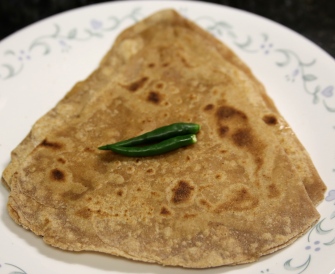
Parathas are very popular in India and pretty much every region has a version or two of it. I am calling this Bangali, because so far I have only eaten this shape of paratha in bengali households. Tikona in Bangla means triangle.


Time for Prep: 10 mins Time to Cook: 15-20 mins Yield: 10 parathas Level: Easy
Ingredients:
- 1.5 cup whole wheat flour + more for dusting
- 1/4 cup all purpose flour (optional)
- 1 tbsp ghee or oil as shortening + more for cooking
- 1/4 tsp salt
- Warm water as needed to make dough


Process:
- Making the dough:
- In a wide mouth bowl/ food processor mix in the flour and ghee/oil.
- Then gradually add in the warm water and work the flour to make dough.
- Knead till the dough is soft, smooth, pliable and does not stick to your hands.
- Cover with damp cloth/paper towel and let sit for 20-30 mins.
- Rolling the Paratha:
- Take a golf ball size portion of the dough and roll it into a ball.
- Dust it with flour and flatten it using your fingers to form a disc.
- Place the disc on a flat surface and roll it out into a circle around 1/8 inch thick.
- Brush the surface with a little bit of oil/ghee. This is just to make the parathas flaky, don’t use too much oil, just a drop or two and spread it out.
- Fold into half to make a semi-circle
- Brush surface with a little bit oil/ghee
- Fold again to make a quarter of a circle.
- Dust it with a little flour and roll it into a triangle shape (roughly) around 1/8 inch thick.
- Cooking the Paratha:
- Heat griddle to medium-high heat (I usually test by waving my palm over the griddle to feel if its hot enough). If your using one of the electric griddle with temperature control, heat griddle to 375-400F.
- Toss one of the rolled paratha on a heated griddle.
- Flip when it begins to puff a little.
- Press down the sides with a spatula to ensure they get cooked too. It will ballon up a little at this stage.
- Brush a little oil/ghee and flip.
- Again press down to ensure corners are cooked.
- When you see a few dark spots forming here and there, on both sides, take it off the heat.


Notes:
- My mom says that cooking the rolled side (top part touching the rolling pin) first results in better parathas.

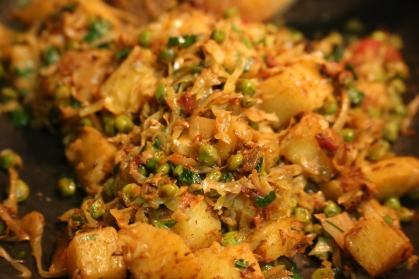 Health benefits of Cabbage are endless and its a vegetable for which we should make space in our plates on a regular basis. I cook cabbage often and in various ways, but I have noticed that this is one preparation that has converted even cabbage haters to cabbage likers. Its a favorite among my Non-Bengali and Non-Indian friends. Every single time I have served this, it has been a hit. To me its special because it brings back memories of school days and sharing lunch boxes, especially one of my best friend who always claimed rights on this.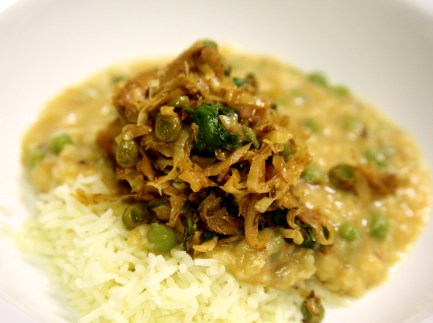

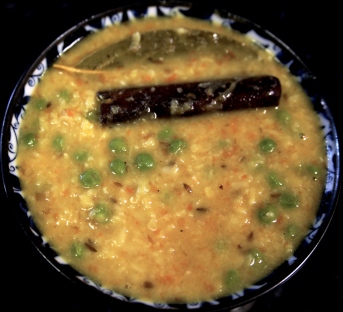
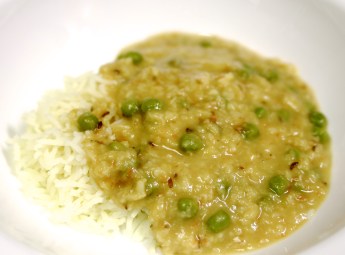


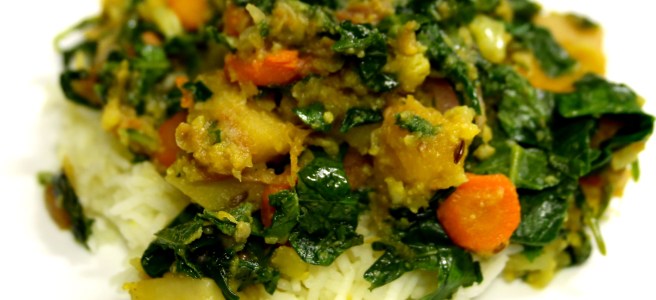
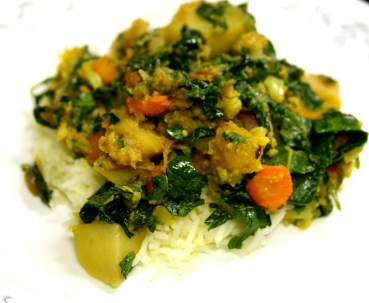 Bengali cuisine is known for its spread of confectionaries and sweet delight, but is not limited to it. According to Wikipedia it is the only cuisine in the Indian-Subcontinent which has been traditionally developed as a multi-course meal, quiet similar to the modern structure of continental food. I am not sure about the ‘only’ part, but it sure is a multi course meal. A typical meal is geared towards a balanced meal and incorporates a lot of vegetables. It starts with a dish made of something bitter to serve as a palette cleanser, followed by a Shaag (leafy green vegetables), then comes the Dal accompanied with a Bhaja (fried vegetable) or Chorchori (stir fry) or both, then Macher Jhol (Fish), chatney, Doi (yogurt) and finally a dessert. Served with rice. And within this nutrition packed diet lies the secret behind the good skin and good hair bengali women are famous for.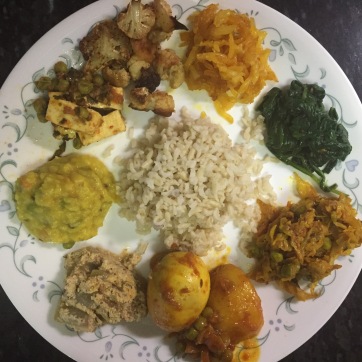



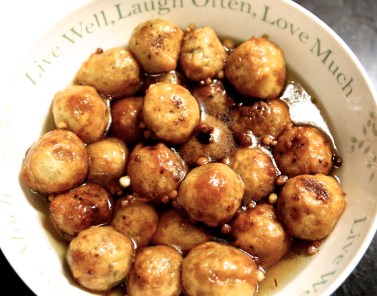 Poush Parbon, Pongal, Makar Sankranti are just different names for harvest festival celebrated through out India, it marks the beginning of the harvest season. Interesting trivia, this is the only Indian festival that is on the same calendar date every year! Its also known as the ‘Kite Festival’. Preparations would start days ahead as we would collect all types of broken glass to make Manja (abrasive thread used for kite fights) and paper to make personalised colorful Patang (Kites). Growing up I remember waking up to the smell of sweet pongal being cooked at my neighbors house and
 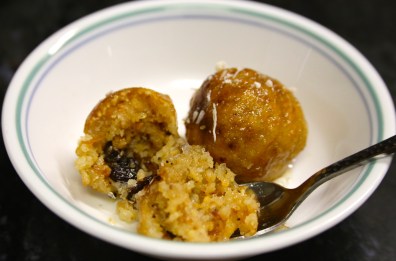 It has always been party time at my house for this festival and my mom always whipped up a big variety delicious food, Gokul Pithe being one of them. My husband has the best description for this, he says this is Narkel Naru (coconut truffle) with Malpua (Indian crepe) wrapped around it.


 1 Cup Of Joy