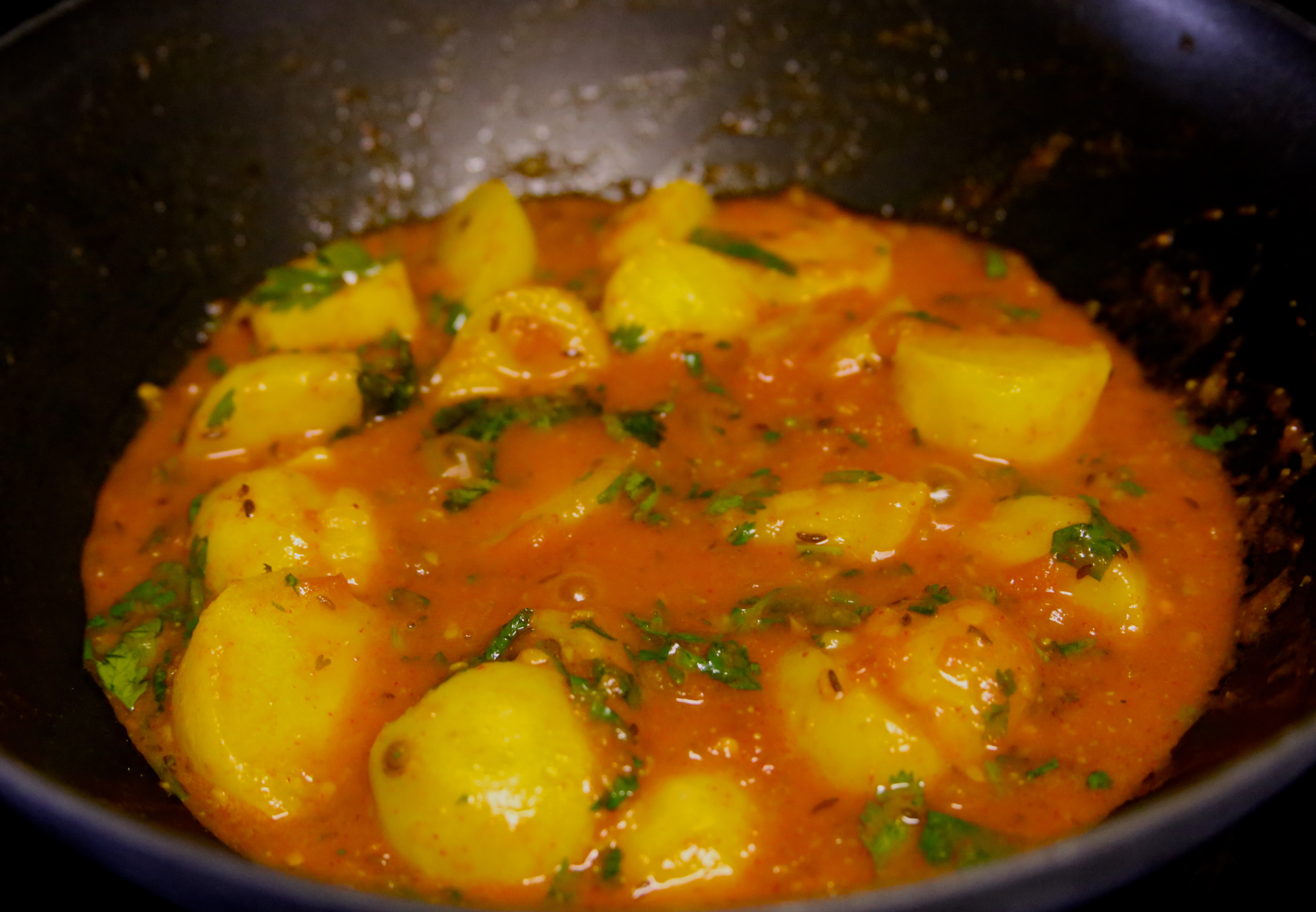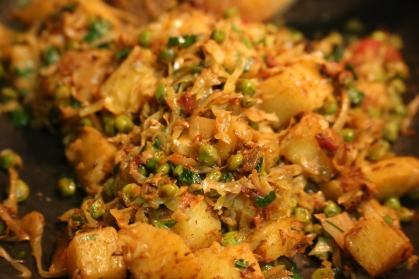
Badhakopir Ghonto (Cabbage Ghonto)

IMG_4045Health benefits of Cabbage are endless and its a vegetable for which we should make space in our plates on a regular basis. I cook cabbage often and in various ways, but I have noticed that this is one preparation that has converted even cabbage haters to cabbage likers. Its a favorite among my Non-Bengali and Non-Indian friends. Every single time I have served this, it has been a hit. To me its special because it brings back memories of school days and sharing lunch boxes, especially one of my best friend who always claimed rights on this.

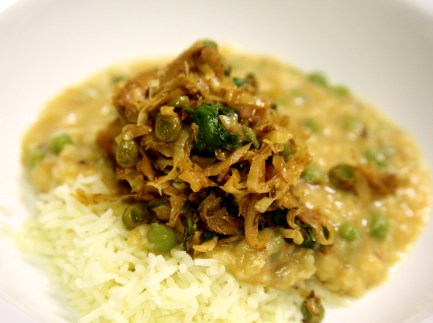
A few days after our wedding H and I were grocery shopping, I reached for the cabbage and immediately heard him say “I don’t like cabbage baby”. I just responded with ‘But I do’ and bought it nonetheless. Same evening I cooked this. He tasted some and since then he likes cabbage. I like eating it with rice/quinoa and Bhaja Moonger Dal with a squeeze  of lemon juice, H likes it with paratha. IMG_4057
Time for Prep: 20 mins     Time to Cook: 20-25 mins    Yield: 4-6 servings    Level: Easy

Ingredients:

  • 1 medium sized cabbage, shredded
  • 1 large potato, cubed
  • 1/2 cup fresh or frozen green peas
  • 4-5 fresh green chile pepper, slit
  • 2 plum tomatoes, diced
  • 1 inch ginger, grated
  • 1 bay leaf
  • 1 tsp cumin seeds
  • 1 tsp caraway seeds
  • 1 tsp coriander powder
  • 1 tsp cayenne or red chilli powder
  • 1 tsp turmeric
  • salt to taste
  • 1 tbsp ghee + 1 tsp for garnish
  • 1 tsp garam masala
  • 1/4 tsp sugar (optional)
  • 2 tbsp cilantro, chopped for garnish

Process:

  1. In a heavy bottom pan, heat the ghee over medium heat. Add bay leaf, cumin and caraway seeds.
  2. When the tempering starts spluttering and you can get the aroma, add the potatoes. Saute for 2-3 mins, till they get a little fried.
  3. Add cabbage, mix it in, then add ginger, cayenne, coriander powder, turmeric and salt. Mix everything in, sauté for 3-4 mins.
  4. Add tomatoes and the green peas, fold them in. Cover and cook, stirring on regular intervals. Cabbage and tomatoes leave enough water to cook the vegetables, but if you think its not enough add a bit of water. Remember this is a dry dish, so if you add too much water, you will need cook longer.
  5. Check for doneness by cutting one of the pieces of potatoes. If the potatoes are fully cooked, turn of the heat. Add the ghee, garam masala and sugar. Mix it in. Garnish with Cilantro.

Serve with rice and dal or chapatis.

Mast-Mast Chorchori or Shaager Chorchori (Bengali Vegetable Stir-fry)

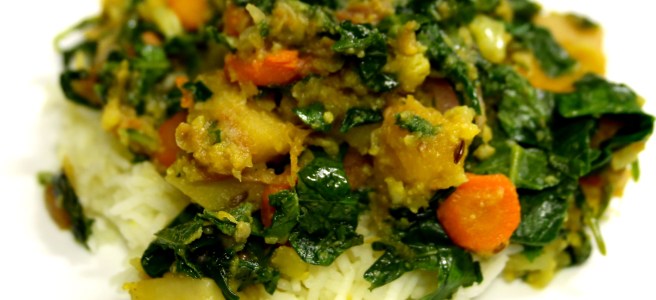
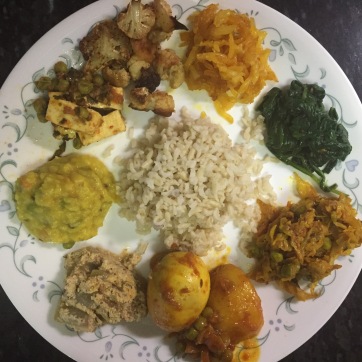
IMG_4035Bengali cuisine is known for its spread of confectionaries and sweet delight, but is not limited to it. According to Wikipedia it is the only cuisine in the Indian-Subcontinent which has been traditionally developed as a multi-course meal, quiet similar to the modern structure of continental food. I am not sure about the ‘only’ part, but it sure is a multi course meal. A typical meal is geared towards a balanced meal and incorporates a lot of vegetables. It starts with a dish made of something bitter to serve as a palette cleanser, followed by a Shaag (leafy green vegetables), then comes the Dal accompanied with a Bhaja (fried vegetable) or Chorchori (stir fry) or both, then Macher Jhol (Fish), chatney, Doi (yogurt) and finally a dessert. Served with rice. And within this nutrition packed diet lies the secret behind the good skin and good hair bengali women are famous for.
IMG_1164

I grew up in a nucleus family with two working parents, so every day meal was not this elaborate. However, a non-elaborate meal still included Dal, Shaag, Bhaja or Chorchori, Maacher Jhol and Doi. When I got married, my South-Indian husband thought (Still thinks) I was crazy to cook so much for a single meal. I changed my habits a little and now cook a minimalistic meal of Dal, Rice, Shaag and a side of vegetables. Yes, that is minimalistic in my book!

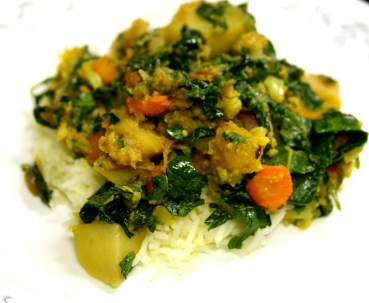
Making this takes care of my serving of vegetables and Leafy greens in one dish! Plus it is delicious. This is one of my very favorite side dishes and my entire life I have called it ‘Mast Mast Chorchori’. Traditionally Eggplant (Brinjal) is one of the main ingredients in this dish and if your not allergic to it (Like I am!) I recommend adding some, apparently it tastes better.

This and a few other bengali recipes will call for Paanch Phoron for tempering. It is a combination of Cumin Seeds, Mustard Seeds, Fenugreek Seeds, Fennel Seeds and Nigella Seeds in equal proportion. 

Time for Prep: 10 mins     Time to Cook: 15-20 mins    Yield: 4 servings    Level: Easy

One important thing to keep in mind before you start prepping, this dish is a medley of hard and soft vegetables all cooked together, while chopping keep that in mind and adjust size accordingly. Also the green is added right at the end. 

Ingredients:

  • The vegetables
    • 1 medium size potato, chopped
    • 1 bunch red radish (10-12), chopped (keep the greens)
    • 1 medium sized carrot, chopped
    •  1/2 butternut squash chopped (traditionally pumpkin is used)
    • 1/2 acorn squash, chopped (optional)
    • 1 yellow beet, chopped (optional)
    • 1 cup cauliflower, chopped
  • 3-4 green chile pepper, slit
  • 2-3 cups of mixed greens, roughly chopped

IMG_4029

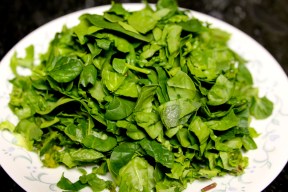
The picture above shows approximate quantity of greens, its a dinner plate heaped with greens. I used a combination of the greens from the radish, baby spinach, baby kale, collard greens and broccoli rabe. Traditionally only spinach  is used.

  • 1 tbsp Paanch Phoron
  • 1/2 tsp celery seeds
  • 1 tbsp oil (preferably mustard oil)
  • 1 tsp turmeric
  • 1 tsp ghee (optional)
  • salt to taste

Process:

  1. Heat oil in a Wok on medium heat, add paanch phoron and celery seeds. Sauté till aromatic.
  2. Add all vegetables (except the greens), turmeric and salt. Sauté, cover and cook till vegetables are done (tender) around 12-15 mins.
  3. Add the green and mix slightly. Cook till the greens wilt. Don’t overcook the greens, this dish is suppose to be dry, overcooking the green will make them release too much water. (Also its healthier)
  4. Remove from heat and add a spoon of ghee at this point if your using it.
  5. Serve with rice or enjoy it as is.

Note:

  • If you want to add some protein in to it, shrimp or scallops is the way to go. Cook the them separately and mix it in before you add the greens.
  • The biggest chunk of effort for this dish is the chopping. To save time use frozen chopped vegetables. I buy my produce from the local farmers market on Sunday Mornings (benefits of living in California). Once I am back I spend a couple hours chopping, bagging and freezing. I have high quality ziplock bags labelled that i rinse and re-use. That way during the week when I actually cook, it’s easy and I don’t have to clean up everyday.

Omeletter Jhol (Omlette Curry)

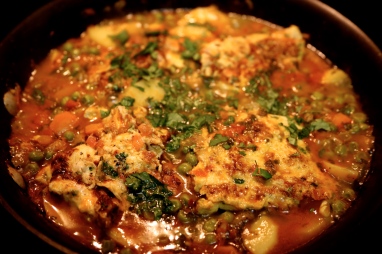
IMG_4000I love eggs and pretty much every preparation of it, but omelettes have a special place in my heart. Bitting into a piece takes me back to long train journeys from Hyderabad to Agra filled with my dads jokes, my moms come backs and us giggling our guts out, early morning stops at Jhansi station and our family ritual to always relish freshly made omelette from one of the street vendors before our final stop at Agra.
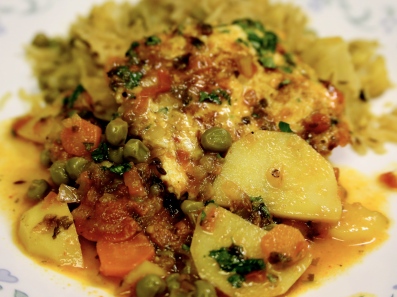
For this dish, we start by first making a masala omelette and then simmer it in tal talle jhol (thin and runny gravy) for a fat and fluffy goodness to enjoy with rice, chapati or bread. Why not just the eat the omelette as is? Because this dish takes the omelette from delicious to DELICIOUS!! IMG_4001My dad was in sales and marketing and travelled often in my growing up years. This was something special my mom made for us girls to make those days feel like fun. We called it the ‘Girls Night Jhol’. I make this with left over Frittatas as well. And if you don’t feel like eating an omelette, bake or fry a couple fish fillets and simmer that in the same gravy and you will get classic bengali maacher jhol (Fish curry).

Time to Prep: 10 mins|Time to Cook: 30 mins|Yield: 4 Servings|Level: Easy

Ingredients:

  • For the Omlette
    • 4 eggs (I use just egg whites)
    • 2 tbsp milk
    • 1/2 tsp black pepper powder
    • 2 tbsp onion, finely chopped
    • 2 tbsp plum tomatoes, chopped
    • 2 tbsp green bell pepper, finely chopped (optional)
    • 1 green chili peppers, finely chopped
    • 1 tbsp cilantro, finely chopped
    • Red pepper flakes (Optional)
    • salt to taste
    • pinch of sugar
  • For the Jhol (Gravy)
    • 1 tbsp oil (or less)
    • 1 tsp cumin seeds
    • 1 tsp caraway seeds
    • 1 onion, finely chopped
    • 2 plum tomatoes, chopped
    • 2-3 green chili peppers, finely chopped
    • 1/2 inch ginger, mined
    • 2 cloves of garlic, minced
    • 1 tsp chile powder
    • 1 tsp coriander powder
    • 1 tsp turmeric
    • Salt to taste
    • 1 potato, cut in thin half-moon shape (around 1/8 inch thick)
    • 1 carrot, cut in thin half-moon shape (around 1/8 inch thick)
    • 1/2 fresh or frozen green peas
    • 2 cups of water
    • pinch of sugar
    • 2-3 tbsp cilantro, finely chopped for garnishing
    • 1 tsp Harissa or Sriracha (optional)

Process:

  1. Making the Masala Omelette:
    • Break eggs in a bowl, beat it. Add milk, salt, pepper and sugar and beat some more (this helps making the omelettes nice and fluffy).
    • Fold in the onions, tomatoes, peppers, chiles and cilantro.
    • Heat some oil in a frying pan/omelette pan in medium heat, pour the egg batter and swirl till its evenly distributed. Cover and let it cook.
    • Slide it on a plate and slice it into triangles, stripes or however you fancy.
  2. Making the Jhol (gravy):
    • Heat oil in a pan and temper it with cumin and caraway seeds.
    • When you can smell the aroma add the onions and chile peppers, sauté till the onions soften.
    • Add in the potatoes and carrots, turmeric, coriander powder and chilli powder. Fry till they start turning golden.
    • Add the ginger and garlic, sauté
    • Add the tomatoes and green peas, fold everything in. Cover and cook till tomatoes are mushy.
    • Add 2 cups of water, bring it to a simmer then cover and cook till the potatoes are cooked.
    • Taste and adjust seasoning, add a pinch of sugar.
    • Add the omelette pieces and simmer for 3-4 mins.
    • Garnish and serve warm

Notes:

  • If you have left over frittata, cut it up into pieces and use instead of omelette. This help converting leftovers into something delicious and new in a jiffy.
  • I like to mix in a spoonful of Sriracha or Harissa to the Jhol to add some extra zing to it.
  • While traditionally its served with rice, my favorite way of eating this make a sandwich with the omelette piece and dip that in the jhol before every bite.
  • If you don’t feel like eating an omelette, bake or fry a couple fish fillets and simmer that in the same gravy and you will get a classic bengali maacher jhol (Fish curry)

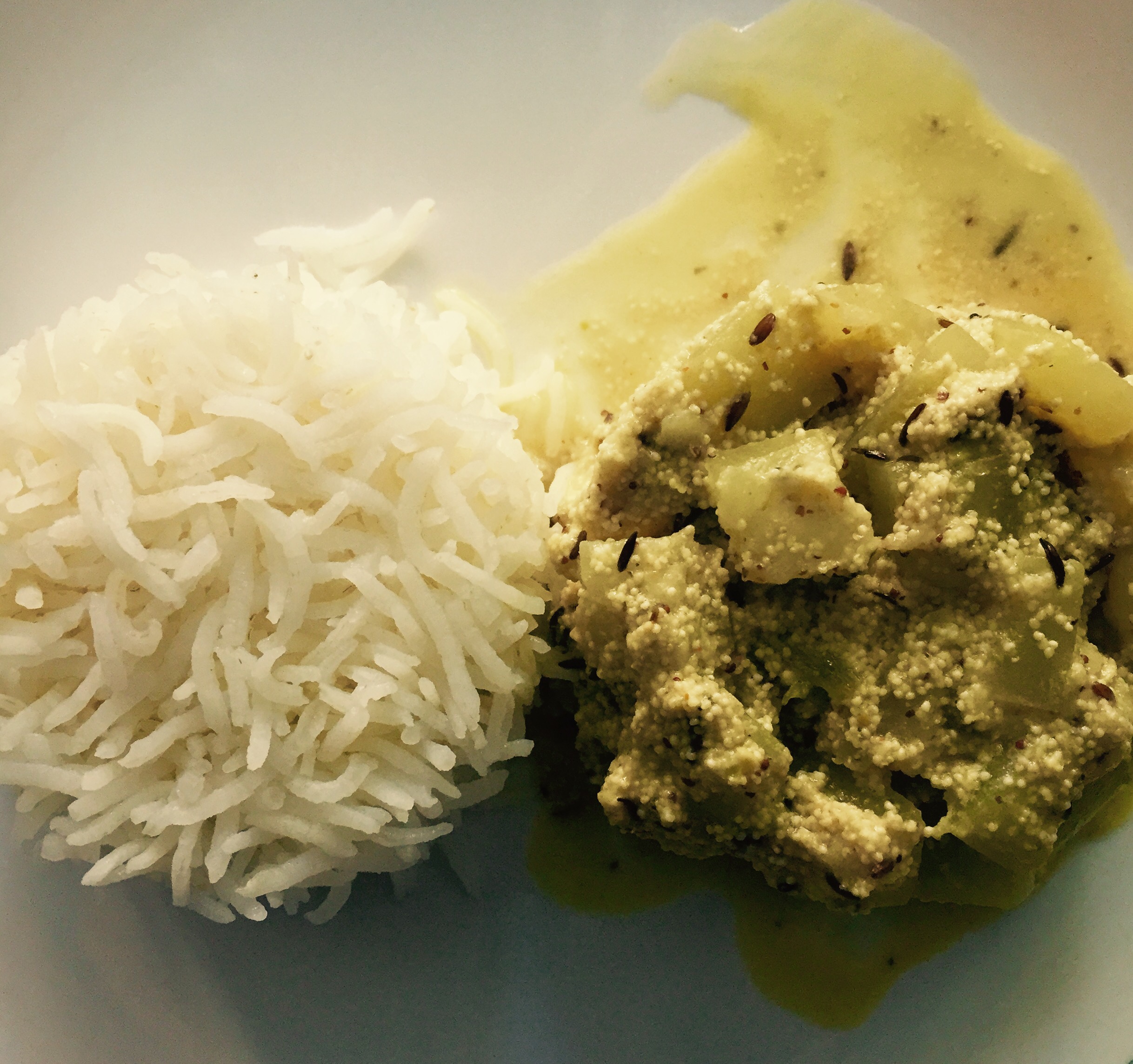
Lao Posto (Opo Squash with KhasKhas/Poppy Seed)

IMG_2097

Posto or khaskhas or poppy seed is a pretty popular ingredient in bengali kitchens. It has this euphoric sleepy effect, which makes it a perfect ingredient for those lazy weekend afternoons, when all you have in the days plan is some reading and a nice long afternoon nap. And in a bengali household, thats usually the plan. We love our adda (chit chat/debates/political discussions), literature, good food and lazy afternoon naps followed by Cha (tea) and biscuit cookies (pronounced biskut) at 4:00 pm.

IMG_2108

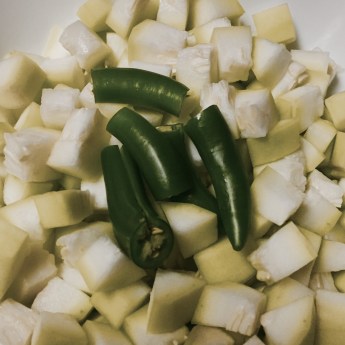
Its not often that I find opo squash or bottle gourd in the local farmers market. I always do a little happy dance when I find them (Yes, fresh produce makes me happy! I am weird that way). This vegetable is one of my favorite, its versatile, light and packed with health benefits. But if your unable to find some, you can replace it with zuccini or summer squash as well.

Opo squash is very high in water content and usually shrinks to 1/2 the quantity when cooked so be careful while adding salt. Less is more, remember you can always add more salt later if need be.

IMG_2095

Time for Prep: 10 mins     Time to Cook: 30 mins     Yield: 4-6 Servings     Level: Easy

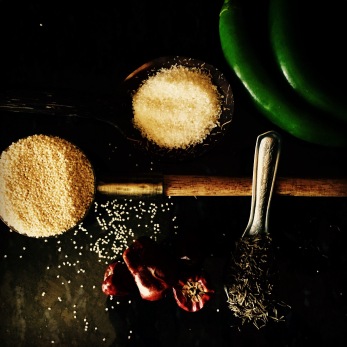
Ingredients:

  • 1 medium sized Opo Squash, cubed (around 3 cups)
  • 6 tbsp khaskhas/poppy seeds
  • 5-6 fresh green chilli, slit in half
  • 2-3 dried red chilli
  • 1 tsp black cumin
  • 1/2 tsp sugar
  • 3 tsp ghee or 2 tsp oil
  • salt to taste

IMG_2096

Process:

  1. Soak khaskhas/ poopy seeds in water for 15-20 mins.
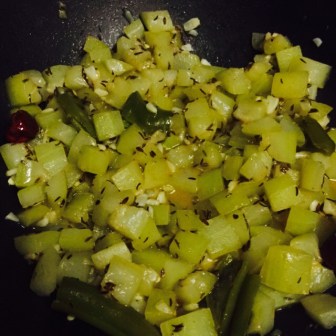
  2. Heat 2 tsp of ghee in a pan in medium -high heat, add black cumin and dried red chilli, wait till they splutter.
  3. Add the chopped opo squash/ bottle gourd, pinch of salt and fresh green chilli, saute for 3-4 mins.
  4. Cover, reduce heat and let the squash cook until tender, 15-20 mins.
  5. In the mean time, drain and transfer the soaked khaskhas/ poppy seed to a blender, add a couple green chilli and salt to taste and grind to make a smooth paste. The paste should be thick and not watery.
  6. Once the squash is tender, add the poppy seed paste, mix it in so that its evenly coated, cover and cook for 5 more mins.
  7. Turn off the heat, add 1 tsp of ghee and 1 tsp of sugar, mix it in.
  8. Serve with plain rice.


Jhaal Aloo Dum (Spicy Potato)

IMG_3622

I like to call it ‘Baba’r Jhaal Jhaal Aloo’ (Dad’s spicy potato) since this was my dad’s speciality. The Mukherjee family, like most Bengali families, loved potatoes (still do) and had it for pretty much every meal. So to break monotony, we had multiple recipes and variations to cook this drool worthy vegetable. This one is by far one of my favorite recipes. It goes best with fresh, straight off the griddle, fulka/chapati,  vegetable pulao or peas pulao.

Family dinners was a big part of growing up, sitting together sharing a meal and talking about our day over delicious food and on Wednesdays watching Chitrahaar (when I was really young, and cable tv was still not popular). My mom was the main chef of our household, but every now and then my dad would whip up something delish. Dad with his favorite drink ‘Old Monk Rum’, mom, my sister and me with our glasses of lime juice cordial, working together to get dinner served. Being the youngest, I always got stuck with setting the table and my sister with cleaning after because I was too young to do it right (even when I was 15). I really liked being the youngest!

IMG_3617

It calls for the most basic ingredients, but here’s my preference:

  1. I like to use Kashmiri Red Chilli Powder (Everest brand) because of the rich red color it adds
  2. I use plum tomatoes because they have less seed, more meat and disintegrate really quick creating a rich creamy base.

Time for Prep: 10 mins     Time to Cook: 20 mins     Yield: 4-5 Servings     Level: Easy

Ingredients:

  • 8-10 baby potatoes, boiled
  • 2 plum tomatoes, chopped
  • 4-5 green chili pepper, slit
  • 1 tsp cumin seeds
  • 1 tsp red chilli powder
  • 1 tsp coriander powder
  • 1 tsp turmeric powder
  • salt to taste
  • 2 tbsp cilantro chopped
  • a genrous pinch of asefoetida (optional)

Process:

  1. Heat a the oil in a pan/wok in low-medium heat setting, add cumin and let it roast till you smell the aroma.
  2. Add chopped tomatoes, slit green chill pepper and salt, cover with lid and let cook for 4-5 mins.
  3. Add chill, coriander and turmeric powder. Stir them in and let cook for another 5 mins. Add a little water at this stage if needed.
  4. Cut the boiled potatoes into half (This is optional you can leave them whole too. I like cutting them because I like smaller pieces) and add them to the tomato gravy.
  5. Cook for 3-4 mins (without cover) or till the gravy thickens and there is just enough to coat the potatoes.
  6. Add asafoetida and cook for 30 seconds more.
  7. Remove from heat and garnish with the chopped cilantro.