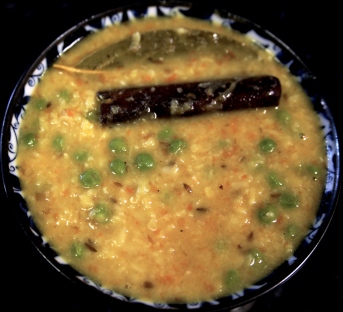
Bhaja in bangla means fried. Moong dal is first roasted with the tempering giving it a nutty aroma and its characteristic flavor and then cooked till mushy. Every Bengali household has their own version of this dish, this was how my Dida (maternal grandma) cooked it. Growing up we called it Didar dal to differentiate it from my Thama’s (paternal grandma) version. This was usually cooked on days in the year where the menu had to be Niramish (Vegetarian) and served with rice and Badhakopir Ghonto (Cabbage Ghonto).
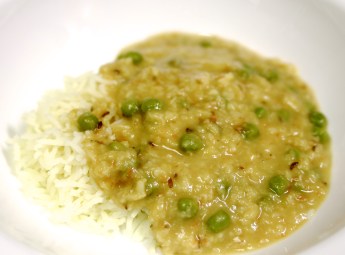
Moong Dal is one of the healthiest lentils with high content of fiber, minerals, proteins and Vitamin C, and a very low calorie count. Essentially its a dieters best friend! Its also light and easy to digest making it really good recovery food. Now add in some ginger, turmeric, flavors from the tempering of spices, carrots and green peas, and you have a wholesome and delicious lentil stew that you can enjoy as is or with some rice or quinoa. This is one of my go-to recipes for those days when I have long working hours and limited time to cook and need something light to eat.


Time for Prep: 5 mins Time to Cook: 20-25 mins Yield: 4-6 servings Level: Easy
Ingredients:
- 1 cup yellow mung dal
- 3 cups water
- 1 cup carrots, grated
- 1/2 cup fresh or frozen green peas
- 1 inch ginger, grated
- 1 bay leaf
- 4-5 green cardamom
- 7-8 cloves
- 1 stick of cinnamon
- 1 tsp cumin seeds
- 1 tsp caraway seeds
- 1 tsp turmeric
- salt to taste
- 1 tbsp ghee/ oil
- 1/4 tsp sugar (optional)
- 1 tbsp cilantro, chopped for garnish
- 1 tbsp grated coconut for garnish (Optional)
Process:
- In a soup pan, heat ghee over medium heat. Add bay leaf, cloves, cinnamon, cardamom, cumin and caraway seeds.
- When the tempering starts spluttering and you can get the aroma, add the moong dal. Saute for 2-3 mins, till they get a little fried.
- Add carrots, mix it in, then add ginger, turmeric and salt. Mix everything in, sauté for 3-4 mins.
- Add the green peas, fold them in. Add water, cover and cook, stirring occasionally till the dal is mushy. Add more water if needed, depending on whether you like dal to be runny or thick.
- Turn of the heat and sugar. Mix it in. Garnish with Cilantro.
Serve with rice or chapatis.
Notes:
- You can use a pressure cooker instead of a soup pot. Just remember that moong dal cooks very quickly.

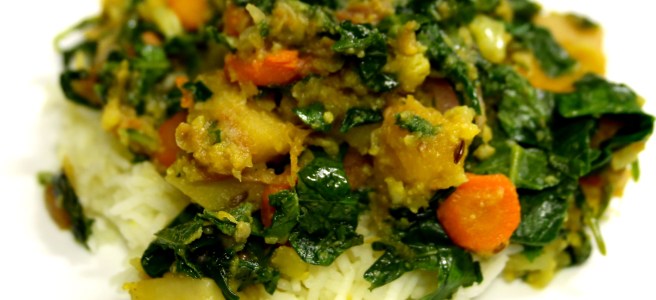
 Bengali cuisine is known for its spread of confectionaries and sweet delight, but is not limited to it. According to Wikipedia it is the only cuisine in the Indian-Subcontinent which has been traditionally developed as a multi-course meal, quiet similar to the modern structure of continental food. I am not sure about the ‘only’ part, but it sure is a multi course meal. A typical meal is geared towards a balanced meal and incorporates a lot of vegetables. It starts with a dish made of something bitter to serve as a palette cleanser, followed by a Shaag (leafy green vegetables), then comes the Dal accompanied with a Bhaja (fried vegetable) or Chorchori (stir fry) or both, then Macher Jhol (Fish), chatney, Doi (yogurt) and finally a dessert. Served with rice. And within this nutrition packed diet lies the secret behind the good skin and good hair bengali women are famous for.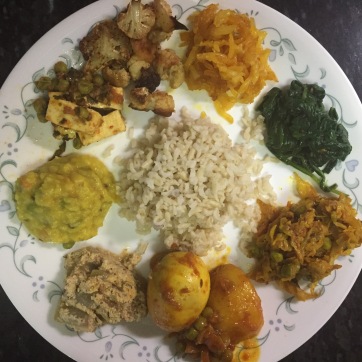



 Poush Parbon, Pongal, Makar Sankranti are just different names for harvest festival celebrated through out India, it marks the beginning of the harvest season. Interesting trivia, this is the only Indian festival that is on the same calendar date every year! Its also known as the ‘Kite Festival’. Preparations would start days ahead as we would collect all types of broken glass to make Manja (abrasive thread used for kite fights) and paper to make personalised colorful Patang (Kites). Growing up I remember waking up to the smell of sweet pongal being cooked at my neighbors house and
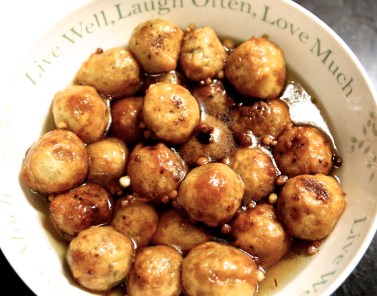
 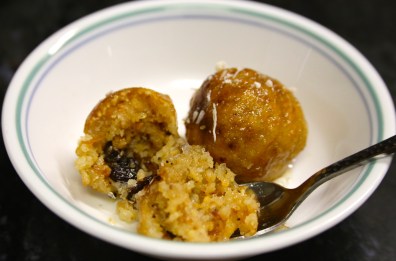 It has always been party time at my house for this festival and my mom always whipped up a big variety delicious food, Gokul Pithe being one of them. My husband has the best description for this, he says this is Narkel Naru (coconut truffle) with Malpua (Indian crepe) wrapped around it.


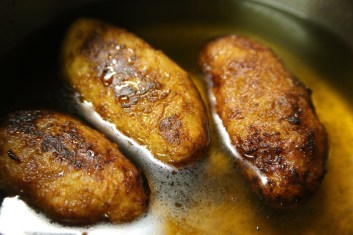 Rangaloor Puli is traditional Bengali dessert made mid January, around Sankranti or Poush Parbon (Harvest festival). Freshly harvested paddy, produce and date syrup in the form of Khejurer Gur (Jaggery) is used to make a variety of delicious goodness like Rangaloor Puli, Payesh,
 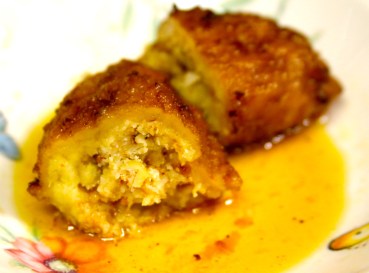 These words from my beloved Jethima (aunt) to my mom says it all – “We got to eat all the traditional Sankranti goodies of Bengal. You were the most hard worked birthday girl I’ve ever seen. We were there in large numbers but you kept filling then rolling out and frying mounds upon mounds of Motorshutir Kochuris. These Kochris were always accompanied by RangaAlur Pethe. Subir my dear devar was ever ready to peel those kilos upon kilos of peas and to grind them in the mixie. What a wonderful couple the two of you made. I shall always cherish those memorable days we spent in and out of one another’s home. With all my love Jharnadi”
 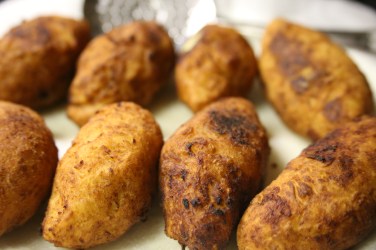 My Husband absolutely loves this! And if the way to a mans heart is through his stomach, this definitely is a quick escalator ride. As soon as we are done wishing each other Happy New Year, he wants to know when I will be making these and I oblige every year!


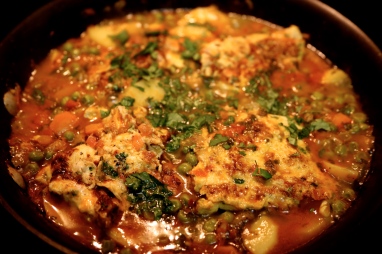 I love eggs and pretty much every preparation of it, but omelettes have a special place in my heart. Bitting into a piece takes me back to long train journeys from Hyderabad to Agra filled with my dads jokes, my moms come backs and us giggling our guts out, early morning stops at Jhansi station and our family ritual to always relish freshly made omelette from one of the street vendors before our final stop at Agra.
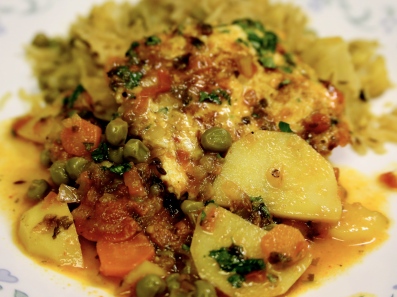 My dad was in sales and marketing and travelled often in my growing up years. This was something special my mom made for us girls to make those days feel like fun. We called it the ‘Girls Night Jhol’. I make this with left over Frittatas as well. And if you don’t feel like eating an omelette, bake or fry a couple fish fillets and simmer that in the same gravy and you will get classic bengali maacher jhol (Fish curry).


 1 Cup Of Joy